The Difference Between Insulation Types and Materials
Understanding the difference between insulation types and materials helps homeowners choose the best options, and local contractors can provide expert guidance and installation.
Understanding the difference between insulation types and materials is essential for property owners looking to improve energy efficiency and comfort. Whether you're considering upgrades or new installations, knowing how various insulation options work can help you make informed decisions tailored to your specific needs. This knowledge is especially practical for those in the area, as local contractors can provide expert guidance on selecting the right materials and insulation types that suit your property's structure and climate conditions. Keep reading to discover how different insulation choices can impact your home’s performance and how local service providers can help you achieve the best results.
Exploring the distinctions among insulation types and materials can also shed light on the benefits and limitations of each option. From traditional fiberglass to spray foam or mineral wool, each material has unique properties that influence installation, durability, and effectiveness. Property owners in the area often turn to local contractors for advice on which insulation solutions are most appropriate for their spaces. By understanding these differences, you can better collaborate with professionals who can recommend and install the most suitable insulation types and materials for your property, ensuring long-term comfort and energy savings.
- Attic Insulation Installation - homeowners exploring the difference between insulation types and materials may need attic insulation upgrades, with local contractors assessing the best options for energy efficiency.
- Wall Insulation Services - when insulating interior or exterior walls, service providers help determine suitable materials based on the type of wall construction and desired R-value.
- Basement Insulation Solutions - those seeking to improve basement comfort and moisture control often consult local pros to choose appropriate insulation types and materials for their space.
- Duct Insulation Projects - for improving HVAC efficiency, local contractors can advise on the best insulation materials for ductwork, considering the differences between types.
- Soundproofing Insulation Services - individuals aiming to reduce noise transfer may work with local service providers to select the right insulation types and materials for their specific needs.

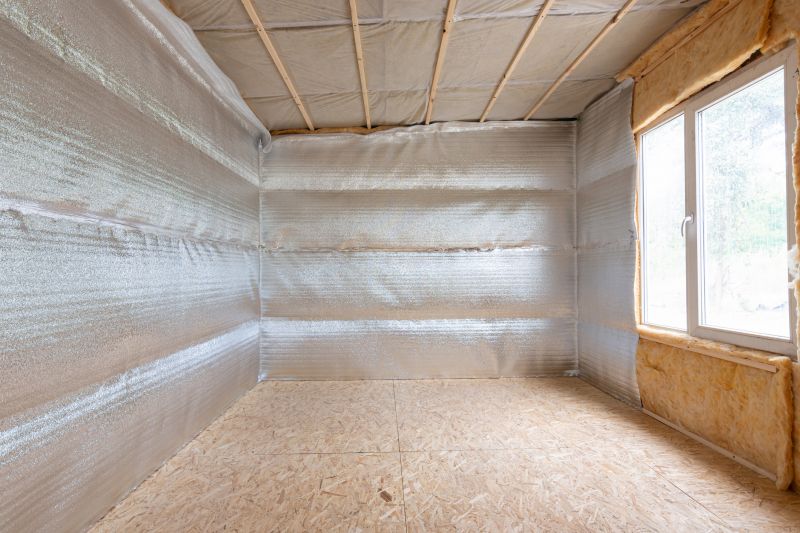
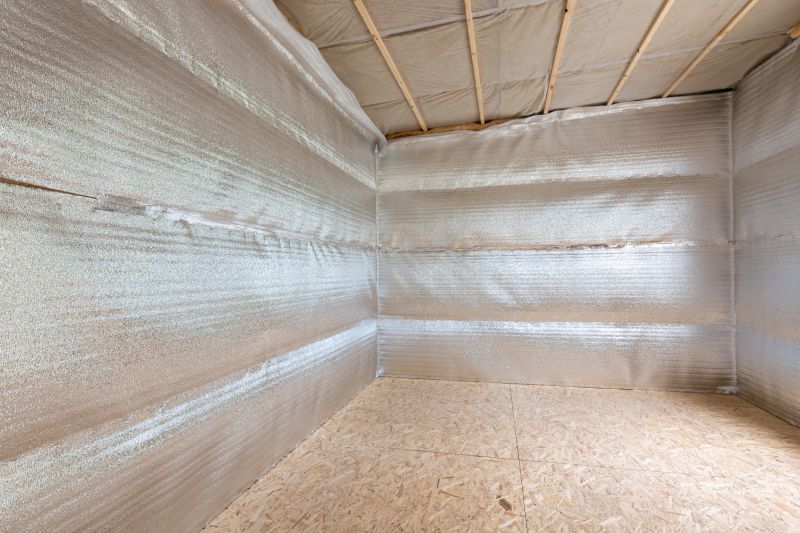
When homeowners search for information about the difference between insulation types and materials, they are often trying to understand which options are best suited for their specific property and project needs. This topic typically comes up during planning stages of home improvement, renovation, or new construction projects focused on improving energy efficiency or comfort. People may be experiencing issues like uneven temperatures, high energy bills, or drafts, prompting them to explore insulation solutions. Understanding the distinctions between different insulation types and materials helps homeowners make informed decisions about which products will perform best in their climate, fit their budget, and meet the requirements of their property.
The difference between insulation types and materials is significant because it directly impacts how well an insulation system functions in a particular space. Insulation types refer to the broad categories based on how the material is installed or used, such as batt, spray foam, blown-in, or rigid foam. Meanwhile, insulation materials are the specific substances used within those categories, like fiberglass, cellulose, mineral wool, or polyurethane. Each combination offers unique advantages and limitations related to R-value, moisture resistance, installation ease, and durability. Homeowners planning projects need to understand these distinctions to select the right insulation for attics, walls, basements, or crawl spaces, ensuring the chosen materials and types align with the property's characteristics and the local climate.
Certain properties tend to come up frequently when discussing insulation types and materials. For example, attic spaces and exterior walls are common areas where insulation is installed to improve energy efficiency. Basements and crawl spaces also often require insulation to prevent heat loss and moisture issues. The size, shape, and accessibility of these spaces influence which insulation types are most practical and effective. For instance, batt insulation might be suitable for standard wall cavities, while spray foam could be preferable for irregular or hard-to-reach areas. Local service providers who specialize in insulation can assess these property features and recommend the most appropriate types and materials based on the specific needs of each space.
Understanding the differences between insulation types and materials is essential for homeowners who want to ensure their property is properly insulated and energy-efficient. Local contractors who specialize in insulation can help evaluate a property's unique characteristics, recommend suitable options, and provide professional installation. They can explain how different materials perform in various parts of a home and how the choice of insulation impacts long-term comfort and utility costs. By working with experienced service providers, homeowners gain confidence that their insulation project will be tailored to their property’s requirements, making it easier to achieve effective, lasting results.
Attic insulation installation - local contractors who specialize in attic insulation can help homeowners understand different materials and how they affect energy efficiency and comfort.
Basement sealing and insulation - professionals experienced in basement projects are familiar with various insulation types that prevent moisture issues and improve thermal performance.
Wall insulation services - local service providers can assist with selecting and installing wall insulations, considering the differences between materials for soundproofing and energy savings.
Duct insulation and sealing - experts in ductwork can ensure proper insulation to optimize airflow and reduce energy loss, applying knowledge of different insulation materials.
Roof and attic venting projects - local pros can evaluate insulation options that work best with roof designs and venting systems for optimal temperature control.
Energy audit and insulation assessment - specialists can identify areas where insulation types and materials impact energy efficiency, guiding proper upgrades and improvements.
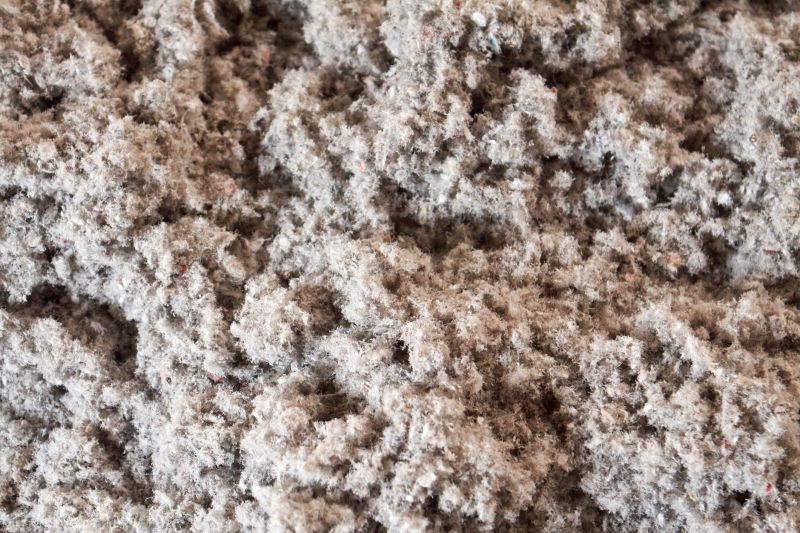
When comparing local contractors for insulation services related to understanding the difference between insulation types and materials, experience with similar projects is an important factor to consider. Homeowners should look for service providers who have a proven track record of handling projects comparable in scope and complexity. Asking for examples of past work or references can help gauge their familiarity with different insulation options and their ability to recommend suitable solutions based on specific home needs. Contractors with relevant experience are more likely to understand the nuances of various insulation materials and how they perform in different environments, ensuring that the insulation chosen aligns with the home’s requirements.
Clear written expectations are essential when evaluating potential service providers. Homeowners should seek detailed descriptions of the services offered, including the types of insulation materials they recommend and the methods they use for installation. This clarity helps prevent misunderstandings and ensures that both parties are aligned on the scope of work. A reputable contractor will be transparent about what the project entails, the materials involved, and any potential considerations or limitations. Having this information in writing provides a solid foundation for making an informed decision and helps set realistic expectations for the project outcome.
Good communication and reputable references are key indicators of a trustworthy local contractor. Homeowners should inquire about how the service provider communicates throughout the process and whether they are responsive to questions or concerns. Additionally, seeking references or reviews from previous clients can provide insights into the contractor’s professionalism, reliability, and quality of work. Contractors who maintain open lines of communication and can provide positive references are more likely to deliver a smooth experience and ensure that the homeowner’s understanding of insulation types and materials is accurately translated into the completed project. These qualities help ensure that the chosen service provider can effectively guide the homeowner through the decision-making process and execute the work to satisfaction.
Property owners often search for the difference between insulation types and materials when they are planning practical projects around their homes and businesses. Local pros provide Insulation Types and Materials services for everyday jobs and straightforward project options.
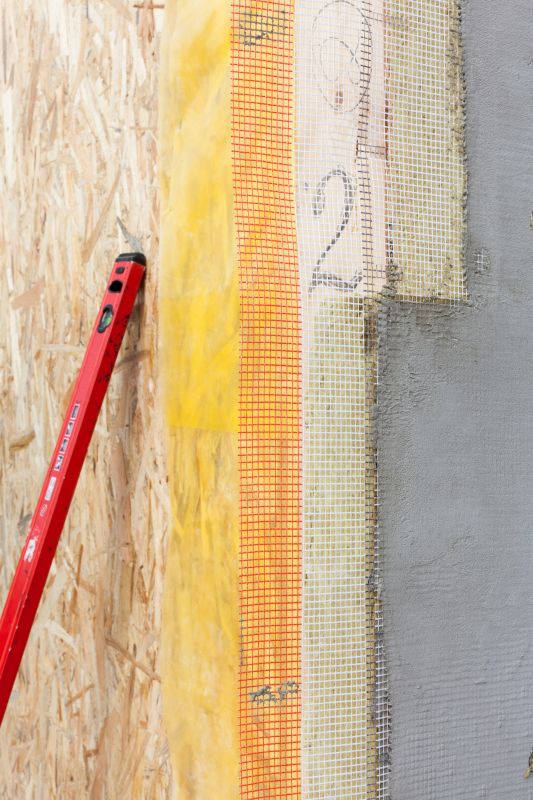
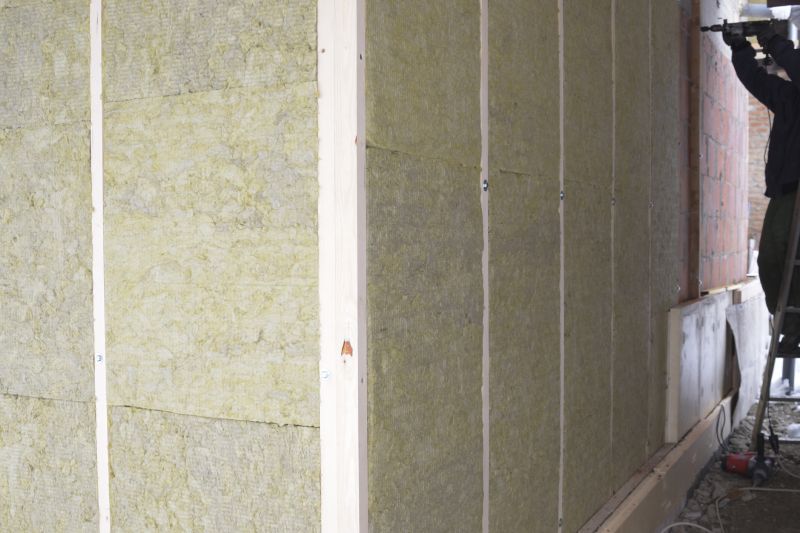
Understanding the difference between insulation types and materials is a common concern for property owners looking to improve comfort and energy efficiency. When planning a home improvement project, many people want to know which insulation options are best suited for their specific needs, whether it's insulating an attic, basement, or exterior walls. Local contractors can provide valuable guidance on the various insulation materials available, such as fiberglass, foam, or cellulose, and explain how each type performs in different areas of the home. This knowledge helps property owners make informed decisions about which insulation solutions will work best for their space and budget.
Property owners often research insulation types and materials to ensure they choose the right approach for their property. Factors like climate, existing construction, and desired energy savings influence the selection process. Local service providers can assess these factors and recommend suitable insulation materials and types that meet the unique requirements of each project. Connecting with experienced contractors can also help property owners understand the installation process, durability, and maintenance considerations, making it easier to select the most effective insulation for their home or business.
What are the main types of insulation used in homes? Local contractors typically offer various insulation types such as batt, blown-in, spray foam, and rigid foam, each suited for different areas and needs.
How do insulation materials differ in performance? Insulation materials vary in R-value, moisture resistance, and application, with options like fiberglass, foam, cellulose, and mineral wool providing different benefits.
Why is it important to choose the right insulation material? Selecting the appropriate insulation material ensures effective temperature regulation and energy efficiency, and local service providers can recommend suitable options based on specific requirements.
Can local contractors help determine the best insulation type for my space? Yes, experienced service providers can assess your property and advise on the most effective insulation types and materials for your needs.
Are certain insulation materials better for specific areas of a home? Yes, some materials work better in particular locations, such as spray foam for attics or batt insulation for walls, with local pros able to recommend suitable options for each area.
Understanding insulation types helps property owners choose the most effective solution for their specific space, such as attics or basements, with assistance from local contractors.
Comparing materials allows homeowners to select insulation that best fits their needs for durability, R-value, and installation method, with guidance from local service providers.
Knowing the differences between insulation types and materials can inform decisions about retrofit projects or new construction, supported by local contractors' expertise.
Evaluating insulations based on their properties helps property owners plan upgrades or repairs, with advice from local pros experienced in various insulation materials.
If you are thinking about the difference between insulation types and materials for a property, this guide is meant to help you understand this topic, the typical project types, and how different options might fit your plans.
When you are ready, you can use the quote form on this page to share a few details about your project. From there, local pros can review the basics and follow up with options that match what you have in mind.