Insulation Removal Services Overview
Visitors will learn about insulation removal services offered by local contractors and how to compare options to find the right professionals.
- - Residential homeowners seeking to remove outdated or damaged attic insulation to improve energy efficiency.
- - Commercial property managers needing insulation removal services for office buildings or retail spaces.
- - Contractors or remodelers preparing properties for new insulation installation or renovation projects.
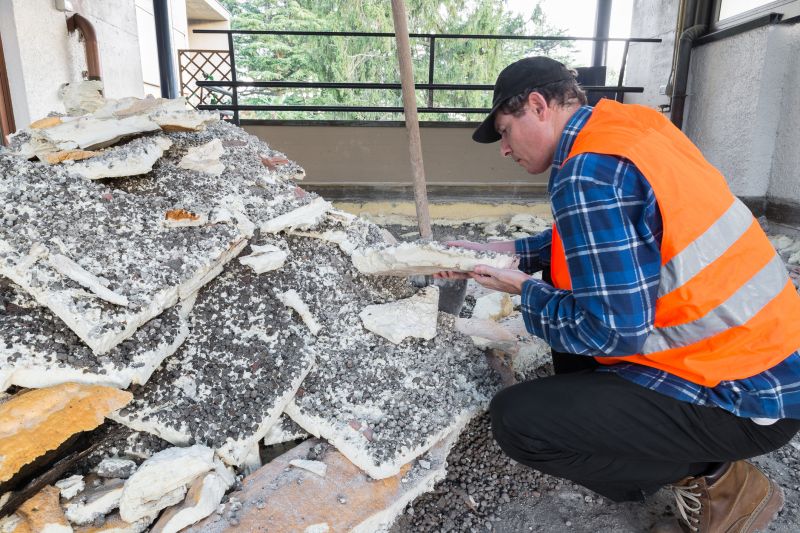

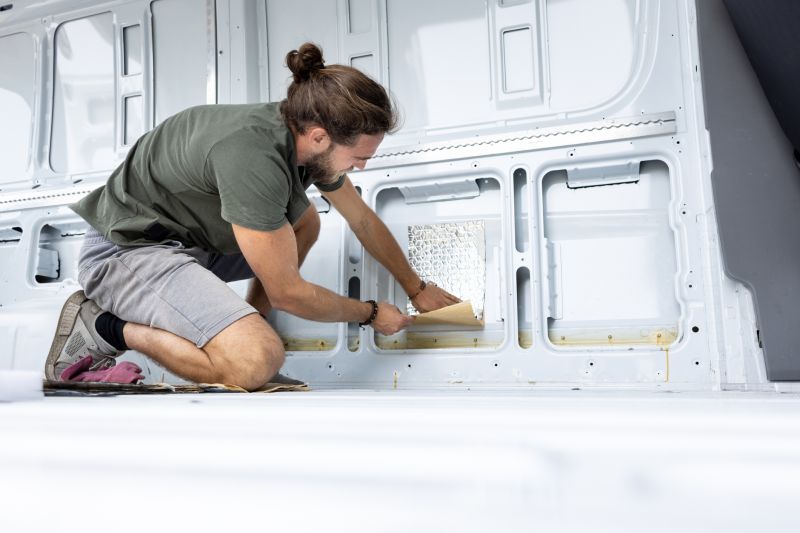
Insulation removal services are essential for property owners who need to replace or upgrade existing insulation materials within their homes or buildings. Common situations prompting a removal include mold issues, pest infestations, or preparing the space for new insulation installations. Local contractors specializing in insulation removal handle tasks such as safely extracting old or damaged insulation, ensuring the work area is properly cleared, and preparing the space for subsequent upgrades. These professionals are experienced in managing different types of insulation, including fiberglass, cellulose, and spray foam, to help maintain a clean and safe environment.
Connecting with nearby service providers can make the process of insulation removal more straightforward and efficient. Local contractors often have a thorough understanding of building codes and best practices in the area, which can contribute to a smoother experience. They typically offer practical solutions tailored to the specific needs of each property, whether it involves attic insulation, wall insulation, or crawl space work. Property owners can expect knowledgeable professionals who focus on delivering effective removal services to help prepare spaces for new insulation or other renovations.
This guide provides helpful information to understand insulation removal projects and the key factors to consider. It assists in comparing local contractors and service providers, making it easier to find the right professional for your needs. By outlining common steps and questions, it prepares you to communicate effectively with local pros about your project.